
Protocols, potency sequencing, and dosing guidelines outlined in this advanced clinical repository are derived directly from Dr. Samuel Hahnemann's Organon of Medicine (Liquid Potency & Split Dose Method), combined with classic clinical keynotes from Dr. James Compton Burnett and Dr. William Boericke, verified through extensive practical clinical execution and advanced repertorial synthesis.
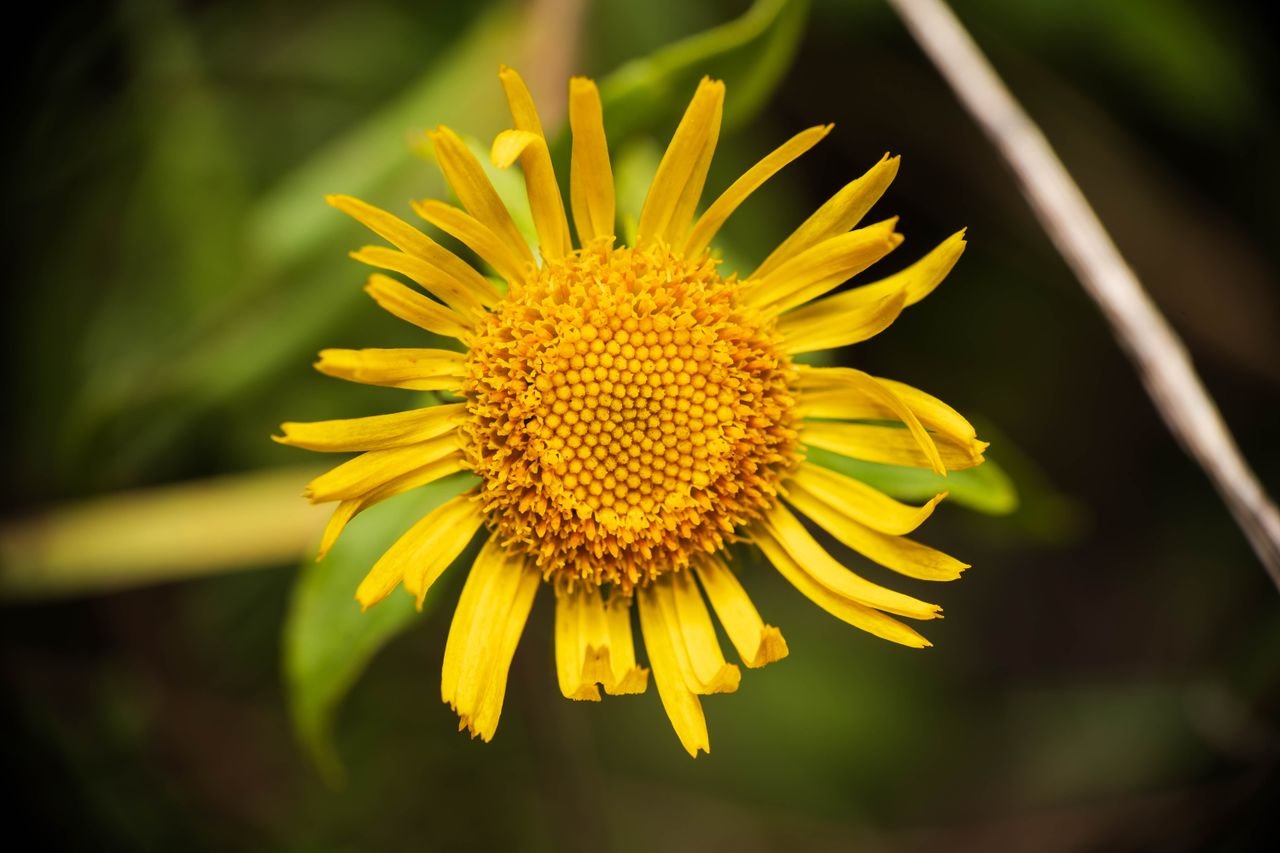
ARNICA MONTANA (MOUNTAIN DAISY)
Quick Facts & Botanical Profile
| Medicine Name: | Arnica Montana |
| Common Name: | Mountain Arnica / Leopard’s Bane / Mountain Daisy |
| Abbreviation: | Arn. |
| Kingdom: | Plantae |
| Family: | Compositae / Asteraceae |
| Botanical Source: | Arnica montana fresh root / whole plant |
| Sphere of Action: | Blood Vessels, Capillaries, Muscular Tissue, Brain, Skin (Boericke, Clarke) |
| Action Duration: | Short to Long-Acting (Kent) |
| Complementary: | Aconite, Hypericum, Rhus Tox, Bryonia, Calc-c (Clarke, Hering) |
| Compare: | Bellis Perennis, Hypericum, Rhus Tox, Ruta Graveolens, Baptisia, Hamamelis (Boericke, Hering) |
| Antidotes: | Camphora, Ipecac, Coffea (Clarke) |
Core Keynotes & Hallmark Features
- Sore, Lame, Bruised Feeling: Sensation as if all parts of the body have been beaten, bruised, or severely pounded; muscular soreness after overexertion (Boericke, Clarke).
- Bed Feels Too Hard: Constant turning and shifting position in bed because whatever surface the patient rests upon feels unbearable and hard (Boericke, Hering, Kent).
- Says Nothing Ails Him: Patient declares that they are completely well and sends the doctor away, despite serious illness, traumatic shock, or high fever (Boericke, Kent).
- Head Hot with Body Cold: Characteristic physical temperature division with hot, flushed head and face while the body and extremities feel cold (Boericke, Clarke).
- Capillary Extravasation & Ecchymosis: Bruised blue-black patches, hemoptysis, and petechiae resulting from blunt trauma, ruptured capillaries, or physical shock (Clarke, Hering).
Common Clinical Conditions
Mind Symptoms
Fears being touched or approached due to extreme bodily soreness (Boericke, Kent). Stupor and indifference; falls asleep while answering questions (Clarke, Hering). Declares nothing is wrong and insists they are well even in critical states (Boericke, Kent).
Generals & Particular Systems
Head & Concussion
Hot head with cold body; severe concussion of the brain from falls or blows (Boericke, Clarke). Vertigo with nausea on turning head quickly; bursting headache with soreness of scalp (Hering, Kent).
Chest, Heart & Circulation
Stitched chest pain worse from coughing and deep breathing; hemoptysis after trauma (Boericke, Hering). Hypertrophy of heart from violent athletic strain (‘athlete’s heart’); stitches in cardiac region (Clarke, Kent).
Stomach, Abdomen & Stool
Eructations tasting like rotten eggs; fetid breath (Boericke, Clarke). Involuntary stool and urine in low typhoid states or cerebral apoplexy (Hering, Kent).
Extremities, Skin & Fever
Sprains, painful joint dislocations, and heavy bruised soreness in limbs (Boericke). Crops of small, painful boils that are extremely tender; blue-black ecchymoses from slight contact (Clarke, Kent).
Modalities (Aggravation & Amelioration)
Worse (Aggravation)
- Least touch or approach (Boericke, Kent)
- Motion and physical exertion (Clarke)
- Resting on hard surfaces (Hering)
- Damp, cold weather (Boericke)
Better (Amelioration)
- Lying down with head low (Boericke)
- Absolute quiet and rest (Clarke, Hering)
- Warm, gentle applications (Kent)
Remedy Relationships
Complementary / Related: Aconite, Hypericum, Rhus Tox, Bryonia, Calcarea Carbonica (Boericke, Clarke).
Compare Internally: Bellis Perennis (deep muscular trauma, bruised abdominal organs), Hypericum (nerve trauma, crush injuries), Rhus Tox (sprains, ligaments, better continuous motion), Ruta Graveolens (periosteum and tendon injuries).
Antidotes: Camphora, Ipecac, Coffea (Clarke).
Compare Remedies Table
| Symptom / Feature | Arnica Montana | Bellis Perennis | Hypericum Perforatum | Rhus Toxicodendron |
|---|---|---|---|---|
| Tissue Affinity | Muscles, soft parts & capillary walls (Boericke) | Deeper muscular & pelvic tissues (Clarke) | Nerve-rich tissues, spine & digits (Kent) | Fibrous tissues, tendons & ligaments (Hering) |
| Pain Character | Sore, lame, bruised, beaten feeling (Boericke) | Intense bruised soreness & pelvic aching (Clarke) | Sharp, shooting, lancinating nerve pain (Kent) | Torn, stiff, aching soreness (Hering) |
| Key Modality | Worse touch; bed feels too hard (Kent) | Worse cold bath when heated (Boericke) | Worse cold air, touch, dampness (Clarke) | Better continuous motion & heat (Hering) |
| Primary Injury Type | Blunt trauma, contusion, extravasation (Boericke) | Deep trauma after surgery/labor (Clarke) | Crushed fingertips, falls on coccyx (Kent) | Strains from lifting & overreaching (Hering) |
Frequently Asked Questions
What is the primary sphere of action of Arnica Montana?
Arnica Montana acts fundamentally on the blood, capillaries, and muscular system, controlling trauma, mechanical shock, contusions, muscular strain, and capillary extravasation (Boericke, Clarke).
What is the hallmark sensory keynote of Arnica Montana?
A universal sore, lame, bruised, beaten feeling all over the body, causing the bed on which the patient lies to feel excessively hard (Boericke, Hering, Kent).
What is the classic mental symptom in serious Arnica conditions?
The patient insists that there is nothing the matter with them and sends the doctor away, even when seriously injured or in a low typhoid stupor (Boericke, Kent).
How does body temperature distribute in an Arnica Montana case?
Characteristic physical thermic split: the head and upper face are hot and flushed, while the rest of the body and extremities remain cold (Boericke, Clarke).
How does Arnica Montana manage traumatic concussion and post-surgical shock?
It absorbs extravasated blood, prevents septic infection, relieves localized pain, and speeds recovery of traumatized soft tissues (Clarke, Kent).
How is Arnica Montana differentiated from Rhus Tox and Bellis Perennis?
Arnica is specific for blunt impact trauma, sore bruised feeling, and hard-bed sensation; Rhus Tox suits sprains of ligaments and tendons relieved by continuous motion; Bellis Perennis targets deeper pelvic/abdominal trauma and injury from cold drinks while heated (Boericke, Kent).
What modalities characterize Arnica Montana?
Worse from touch, motion, damp cold, and rest on hard surfaces; better from lying down with head low and resting quietly (Boericke, Hering).
Which remedies are complementary to Arnica Montana?
Aconite, Hypericum, Rhus Tox, Bryonia, and Calcarea Carbonica (Boericke, Clarke).
Authoritative References & Bibliography
- Boericke, W. — Pocket Manual of Homeopathic Materia Medica & Repertory.
- Clarke, J. H. — A Dictionary of Practical Materia Medica (Vol. 1).
- Hering, C. — The Guiding Symptoms of Our Materia Medica (Vol. 1).
- Kent, J. T. — Lectures on Homeopathic Materia Medica & Repertory.
Advanced Clinical Comparison Tool
Compare symptoms, cross-reference Materia Medica notes, and analyze repertorial rubrics side-by-side for precise case evaluation.
Access Clinical Tool →