Protocols, potency sequencing, and dosing guidelines outlined in this advanced clinical repository are derived directly from Dr. Samuel Hahnemann's Organon of Medicine (Liquid Potency & Split Dose Method), combined with classic clinical keynotes from Dr. James Compton Burnett and Dr. William Boericke, verified through extensive practical clinical execution and advanced repertorial synthesis.
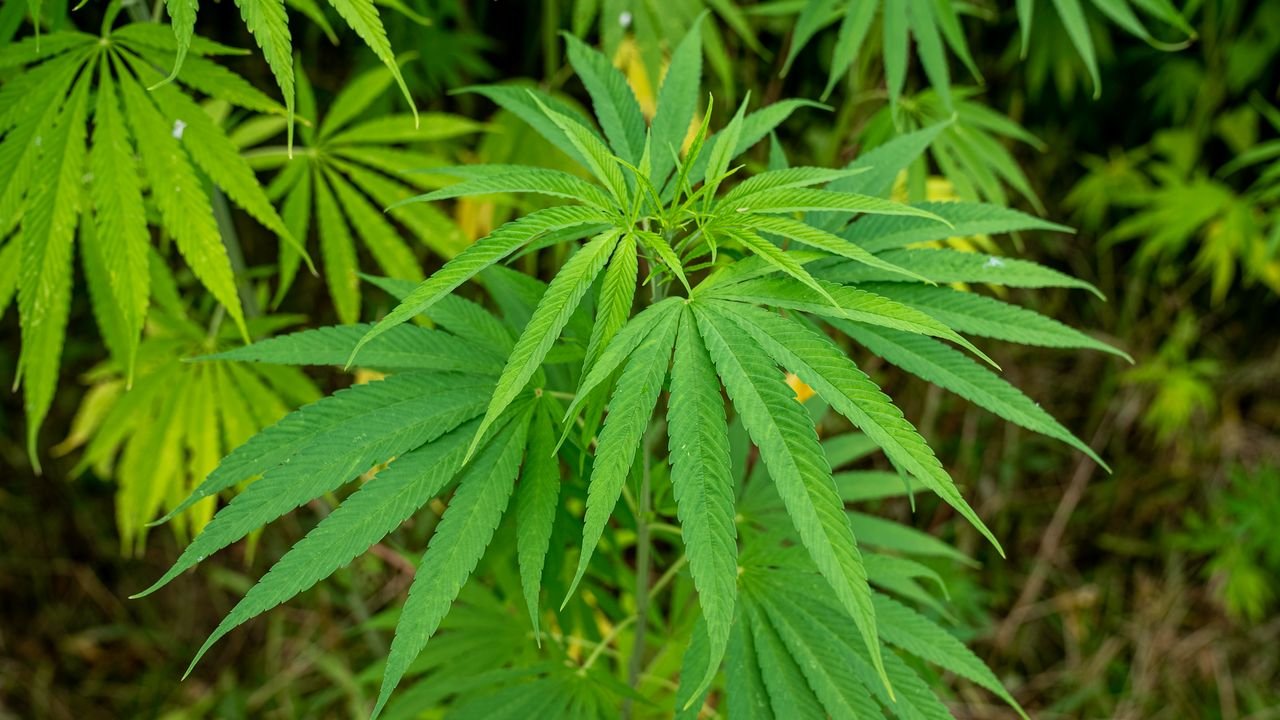
APOCYNUM CANNABINUM (INDIAN HEMP)
Quick Facts & Botanical Profile
| Medicine Name: | Apocynum Cannabinum |
| Common Name: | Indian Hemp / Dogbane / Canadian Hemp |
| Abbreviation: | Apoc. |
| Kingdom: | Plantae |
| Family: | Apocynaceae |
| Botanical Source: | Apocynum cannabinum fresh root |
| Sphere of Action: | Kidneys, Heart, Cellular Tissues, Serous Cavities, Stomach (Boericke, Clarke) |
| Action Duration: | Subacute to Chronic (Kent) |
| Complementary / Related: | Digitalis, Strophanthus, Helleborus (Clarke, Hering) |
| Compare: | Digitalis, Arsenicum Album, Apis Mellifica, Helleborus, Scilla (Boericke, Hering) |
| Antidotes: | Belladonna, Bryonia, China (Clarke) |
Core Keynotes & Hallmark Features
- The Vegetable Trocar in Dropsy: Powerful curative agent in all forms of dropsy—anasarca, ascites, hydropericardium, and hydrothorax with urinary suppression (Boericke, Clarke).
- Thirst with Stomach Intolerance of Water: Intense, unquenchable thirst for cold water, but ingestion causes acute stomach distress and immediate vomiting (Boericke, Hering).
- Heart Failure & Intermittent Pulse: Failing cardiac compensation with slow, feeble, irregular, or intermittent pulse and dropsical effusions (Boericke, Kent).
- Scanty, Suppressed & Albuminous Urine: Almost complete arrest of renal elimination with dark, turbid urine passed in small quantities (Clarke, Hering).
- Suffocative Dyspnea Lying Flat: Patient cannot lie down due to chest oppression, gasping for breath, must sit upright (Hering, Kent).
Common Clinical Conditions
Mind Symptoms
Stupor, mental apathy, and confusion during low dropsical states and hydrocephalus (Boericke, Clarke). Irritable, low-spirited, and constantly anxious regarding suffocative breathing (Hering, Kent).
Generals & Particular Systems
Stomach & Digestion
Great thirst, but water causes distress, pain in epigastrium, and is immediately vomited (Boericke, Clarke). Sensation of sinking, goneness at pit of stomach; distension of abdomen with ascites (Hering, Kent).
Urinary Organs
Urine suppressed, scanty, dark, passed with difficulty and burning (Boericke). Incontinence of urine; constant urging with scanty output (Clarke, Hering).
Heart & Respiration
Dyspnea, short labored breathing, cannot lie flat; hydrothorax and fluid in pericardium (Boericke, Hering). Pulse slow, weak, irregular, intermittent, and failing in cardiac failure (Clarke, Kent).
Extremities & Sleep
Edematous swelling of feet, ankles, and legs; pitting on pressure (Boericke). Drowsy, restless sleep with frequent gasping for air on dropping off to sleep (Clarke, Kent).
Modalities (Aggravation & Amelioration)
Worse (Aggravation)
- Cold air and cold drinks (Boericke)
- Lying flat in bed (causes suffocation) (Clarke, Kent)
- After eating or drinking (Hering)
- Uncovering the body (Boericke)
Better (Amelioration)
- Sitting erect / head elevated (Clarke, Kent)
- Warm air and warm wraps (Boericke)
- Free discharge of urine / perspiration (Hering)
Remedy Relationships
Complementary / Related: Digitalis, Strophanthus, Helleborus (Boericke, Clarke).
Compare Internally: Digitalis (extremely slow pulse, faintness), Apis Mellifica (thirstless dropsy, stinging), Arsenicum Album (small sips thirst, better heat), Helleborus (hydrocephalus with automatic movement).
Antidotes: Belladonna, Bryonia, China (Clarke).
Compare Remedies Table
| Symptom / Feature | Apocynum Cannabinum | Apis Mellifica | Arsenicum Album | Digitalis Purpurea |
|---|---|---|---|---|
| Thirst & Digestion | Intense thirst, water disagrees & is vomited (Boericke) | Complete absence of thirst (Kent) | Thirst for small quantities often, better warm drinks (Clarke) | Thirst with clean tongue & faintness at epigastrium (Hering) |
| Dropsical Target | General dropsy, ascites, hydrothorax (Clarke) | Puffy cellular edema, water-bag eyelids (Boericke) | Dropsy with extreme prostration & dry skin (Kent) | Cardiac dropsy with failing myocardium (Hering) |
| Pulse Character | Slow, feeble, irregular, intermittent (Boericke) | Rapid, small, tense, or intermittent (Clarke) | Rapid, weak, thready, irregular (Kent) | Extremely slow, weak, irregular, intermits (Hering) |
| Thermal Modality | Chilly, better warmth & warm wraps (Hering) | Intensely hot, aggravated by heat (Kent) | Chilly, relieved by external warmth (Boericke) | Chilly, cold extremities with blue skin (Clarke) |
Frequently Asked Questions
What is the primary clinical reputation of Apocynum Cannabinum?
Apocynum Cannabinum is known as the ‘vegetable trocar’ in homeopathy due to its remarkable ability to cure all varieties of dropsy, including anasarca, ascites, and hydrothorax (Boericke, Clarke).
What is the characteristic stomach symptom regarding water intake?
Great unquenchable thirst for cold water, but water disagrees, causing immediate pain, distress, or violent vomiting as soon as it reaches the stomach (Boericke, Hering).
How does Apocynum Cannabinum act on the heart and circulation?
It slows and strengthens cardiac action, restoring tone to a failing myocardium with a weak, irregular, intermittent pulse and low arterial pressure (Boericke, Kent).
What urinary symptoms characterize an Apocynum Cannabinum patient?
Scanty, suppressed, dark, and thick urine containing albumen, accompanied by dropsical accumulation throughout cellular tissues (Clarke, Hering).
What chest and respiratory symptoms are present in dropsy?
Severe dyspnea, sensation of suffocation on lying down, hydrothorax, and constant dry, hacking cough accompanied by pleural effusion (Hering, Kent).
How is Apocynum Cannabinum differentiated from Apis and Arsenicum in dropsy?
Apis has complete thirstlessness and stinging pains; Arsenicum has burning relieved by heat and thirst for small sips; Apocynum has immense thirst for large quantities of water which causes stomach distress and vomiting (Boericke, Kent).
What modalities worsen Apocynum Cannabinum complaints?
Worse from cold weather, cold drinks, lying flat, and uncovery; better from warm applications and sitting upright (Boericke, Clarke).
Which remedies are closely related or complementary to Apocynum Cannabinum?
Digitalis, Strophanthus, Helleborus, Arsenicum Album, and Convallaria (Boericke, Clarke).
Authoritative References & Bibliography
- Boericke, W. — Pocket Manual of Homeopathic Materia Medica & Repertory.
- Clarke, J. H. — A Dictionary of Practical Materia Medica (Vol. 1).
- Hering, C. — The Guiding Symptoms of Our Materia Medica (Vol. 1).
- Kent, J. T. — Lectures on Homeopathic Materia Medica & Repertory.
Advanced Clinical Comparison Tool
Compare symptoms, cross-reference Materia Medica notes, and analyze repertorial rubrics side-by-side for precise case evaluation.
Access Clinical Tool →