Protocols, potency sequencing, and dosing guidelines outlined in this advanced clinical repository are derived directly from Dr. Samuel Hahnemann's Organon of Medicine (Liquid Potency & Split Dose Method), combined with classic clinical keynotes from Dr. James Compton Burnett and Dr. William Boericke, verified through extensive practical clinical execution and advanced repertorial synthesis.
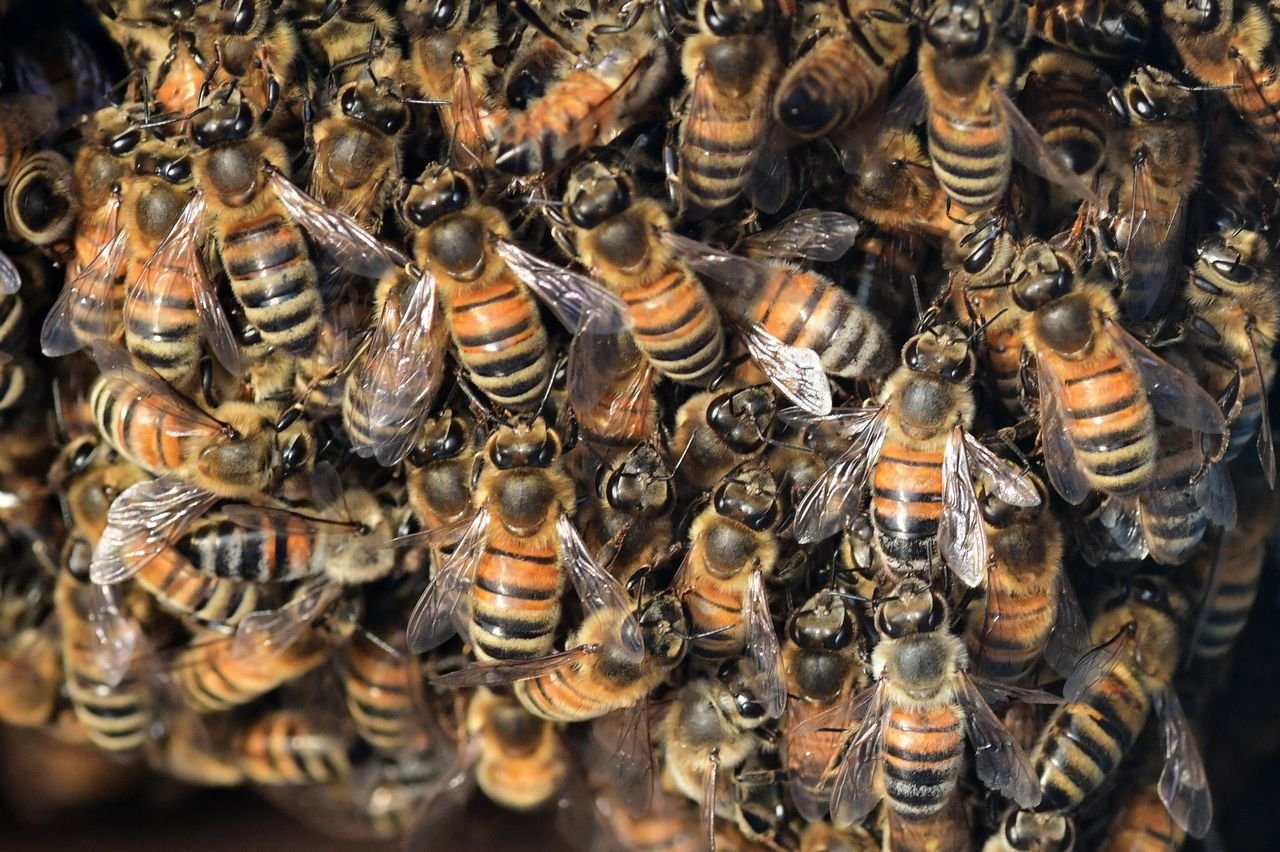
APIS MELLIFICA (HONEY BEE)
Quick Facts & Zoological Profile
| Medicine Name: | Apis Mellifica |
| Common Name: | The Honey Bee / Poison of Honey Bee |
| Abbreviation: | Apis |
| Kingdom: | Animalia |
| Family: | Apidae (Hymenoptera) |
| Source: | Live honey bee poison / Tincture of whole bee |
| Sphere of Action: | Cellular Tissue, Kidneys, Skin, Serous Membranes, Ovaries (Boericke, Clarke) |
| Action Duration: | Acute to Subacute, Deep-Acting (Kent) |
| Complementary: | Natrum Muriaticum, Baryta Carb (Clarke, Hering) |
| Compare: | Arsenicum Album, Cantharis, Rhus Tox, Lachesis, Belladonna (Boericke, Hering) |
| Inimical / Antidotes: | Inimical: Rhus Tox. Antidoted by: Lachesis, Plantago, Ipecac, Nat-m (Clarke) |
Core Keynotes & Hallmark Features
- Edematous, Puffy, Bag-Like Swellings: Sudden swelling of cellular tissues, eyelids puffing out like water-filled bags, uvula edematous like a translucent sack (Boericke, Clarke).
- Stinging, Burning & Pricking Pains: Sharp, lancinating, stinging pains resembling bee stings, accompanied by extreme soreness to touch (Boericke, Hering).
- Absolute Thirstlessness in Dropsy & Fevers: Marked absence of thirst in almost all conditions, even in high fever, dropsy, and acute inflammation (Clarke, Kent).
- Extreme Intolerance of Heat: The patient cannot endure a warm room, hot fire, hot baths, or warm wraps; constantly desires cool open air (Boericke, Kent).
- Right-Sided Predominance: Symptoms distinctly start on or affect the right side—right ovary, right lung, right eyelid, right tonsil, then may spread to the left (Hering, Kent).
Common Clinical Conditions
Mind Symptoms
Weeping, tearful disposition without knowing why (Boericke, Kent). Sudden, sharp, shrill piercing screams in children during sleep or brain affections (cri encéphalique) (Clarke, Hering). Awkward, clumsy, constantly drops things from the hands (Boericke, Kent). Suspicious, jealous, and intensely irritable (Hering).
Generals & Particular Systems
Eyes & Face
Eyelids swollen, puffy, red, edematous like water-bags under the eyes (Boericke, Clarke). Cornea ulcerated, conjunctiva bright red and chemosed; hot, stinging tears with photophobia (Hering, Kent).
Throat & Uvula
Uvula swollen, translucent, hanging down like a sack of water (Boericke). Throat bright red, puffy, with stinging burning pains relieved by cold drinks (Clarke, Hering).
Urinary & Kidneys
Urine scanty, burning, scalding, containing albumen and casts (Boericke, Clarke). Incontinence of urine with stinging pain; retention in newborns or after eruptive fevers (Hering, Kent).
Female & Skin
Right ovary inflamed, swollen, cystic, with stinging soreness extending down thighs (Boericke, Hering). Skin exhibits giant urticaria, wheals, and erysipelatous inflammation with intense burning and stinging, better only by cold water (Clarke, Kent).
Modalities (Aggravation & Amelioration)
Worse (Aggravation)
- Heat in all forms (warm room, fire, warm bath) (Boericke, Kent)
- Touch and slightest pressure (Clarke)
- Late afternoon, especially 4 to 5 PM (Hering)
- Right side and lying down flat (Kent)
Better (Amelioration)
- Cold water applications and bathing (Boericke)
- Open cool fresh air (Clarke, Kent)
- Uncovering and sitting erect (Hering)
Remedy Relationships
Complementary / Related: Natrum Muriaticum, Baryta Carbonica, Pulsatilla (Boericke, Clarke).
Compare Internally: Arsenicum Album (burning better by heat, thirst for small sips), Cantharis (violent urinary tenesmus), Rhus Tox (inimical to Apis), Lachesis (left sided, intolerance of constriction).
Inimical: Rhus Toxicodendron (do not follow or precede Apis) (Clarke, Hering).
Antidotes: Plantago, Lachesis, Ipecac, Natrum Muriaticum (Clarke).
Compare Remedies Table
| Symptom / Feature | Apis Mellifica | Arsenicum Album | Cantharis Vesicatoria | Rhus Toxicodendron |
|---|---|---|---|---|
| Thermal Modality | Intensely hot, worse warmth, better cold (Boericke) | Extremely chilly, better heat & warm wraps (Kent) | Worse from cold touch, better gentle heat (Clarke) | Chilly, worse cold/damp, better heat & motion (Hering) |
| Thirst Character | Complete thirstlessness in all stages (Clarke) | Intense thirst for small sips at short intervals (Kent) | Thirst with aversion to all liquids (Boericke) | Thirst for cold water or cold milk (Hering) |
| Pain Character | Stinging, burning, pricking like bee stings (Boericke) | Burning like hot coals, better heat (Kent) | Cutting, burning, violent tenesmus (Clarke) | Aching, sore, bruised, torn muscles (Hering) |
| Edema / Swelling | Puffy, watery, bag-like translucent sacs (Hering) | Puffy, dropsical with dry scaly skin (Kent) | Large blistering bullae with raw exudate (Clarke) | Vesicular erysipelas with yellow fluid (Boericke) |
Frequently Asked Questions
What is the hallmark sensation of Apis Mellifica?
Intense burning, stinging, pricking pains (like bee stings), accompanied by severe soreness and intolerance of heat or touch (Boericke, Clarke).
What is the characteristic thirst pattern of Apis Mellifica?
Complete thirstlessness (absence of thirst) in almost all acute inflammatory, dropsical, and febrile conditions (Clarke, Kent).
What type of swelling is treated by Apis Mellifica?
Rapid, puffy, edematous, bag-like swellings (like water bags under the lower eyelids) of the skin, mucous membranes, throat, and cellular tissues (Boericke, Hering).
How does Apis Mellifica affect the urinary system?
Scanty, highly albuminous urine with severe stinging and burning micturition, dark coffee-colored urine, and acute post-scarlatinal nephritis (Boericke, Kent).
What are the ovarian symptoms of Apis Mellifica?
Right-sided ovaritis, ovarian cysts, severe stinging soreness in the right iliac fossa extending down the thigh, aggravated by heat (Hering, Kent).
How is Apis Mellifica differentiated from Arsenicum Album?
Arsenicum Album has burning pains relieved by heat and intense thirst for small sips often; Apis Mellifica has stinging burning pains aggravated by heat, relieved by cold bathing, and is completely thirstless (Boericke, Kent).
What modalities characterize Apis Mellifica?
Worse from heat, warm room, hot bath, touch, and late afternoon (4 PM); better in open air, cold water applications, and uncovering (Boericke, Hering, Kent).
Which remedies are complementary or inimical to Apis Mellifica?
Natrum Muriaticum and Baryta Carb are complementary; Rhus Toxicodendron is inimical and should not be given in close succession (Clarke, Hering).
Authoritative References & Bibliography
- Boericke, W. — Pocket Manual of Homeopathic Materia Medica & Repertory.
- Clarke, J. H. — A Dictionary of Practical Materia Medica (Vol. 1).
- Hering, C. — The Guiding Symptoms of Our Materia Medica (Vol. 1).
- Kent, J. T. — Lectures on Homeopathic Materia Medica & Repertory.
Advanced Clinical Comparison Tool
Compare symptoms, cross-reference Materia Medica notes, and analyze repertorial rubrics side-by-side for precise case evaluation.
Access Clinical Tool →