
Protocols, potency sequencing, and dosing guidelines outlined in this advanced clinical repository are derived directly from Dr. Samuel Hahnemann's Organon of Medicine (Liquid Potency & Split Dose Method), combined with classic clinical keynotes from Dr. James Compton Burnett and Dr. William Boericke, verified through extensive practical clinical execution and advanced repertorial synthesis.
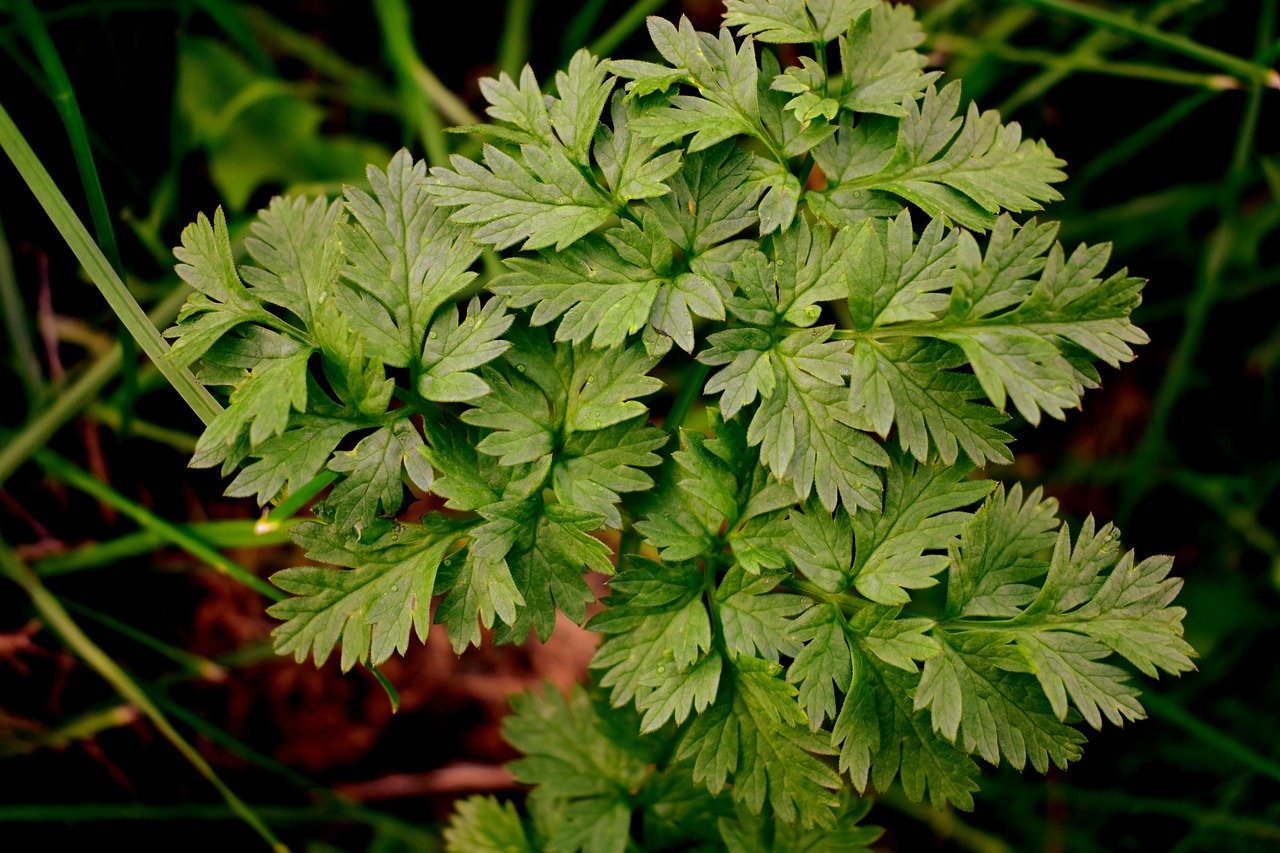
AETHUSA CYNAPIUM (FOOL’S PARSLEY)
Quick Facts & Botanical Profile
| Medicine Name: | Aethusa Cynapium |
| Common Name: | Fool’s Parsley |
| Abbreviation: | Aeth. |
| Kingdom: | Plantae |
| Family: | Umbelliferae / Apiaceae |
| Botanical Source: | Aethusa cynapium whole fresh flowering plant |
| Sphere of Action: | Digestive Tract, Stomach, Brain, Central Nervous System, Children (Boericke, Clarke) |
| Action Duration: | Acute to Subacute (Kent) |
| Complementary / Related: | Calcarea Carbonica, Sepia, Cuprum, Silica (Clarke, Hering) |
| Compare: | Antimonium Crudum, Calcarea Carb, Sanicula, Chamomilla, Cicuta Virosa (Boericke, Hering) |
| Antidotes: | Vegetable acids, Vinum, Nux Vomica (Clarke) |
Core Keynotes & Hallmark Features
- Intolerance of Milk in Any Form: Inability to digest milk; sudden, violent vomiting of milk in large curdled masses as soon as swallowed or retained for a short time (Boericke, Clarke).
- Prostration Followed by Sleep & Hunger: After violent vomiting or purging, the child becomes limp, falls into a stuporous sleep, and awakes hungry wanting to nurse again (Boericke, Hering).
- Linea Nasalis (Expression of Anguish): Well-marked, distinct white or blue line extending from the ala nasi to the angle of the mouth, giving the face a countenance of great suffering (Boericke, Clarke).
- Spasms with Eyes Turned Downward: Convulsions in infants during dentition with clenched thumbs, dilated pupils, and eyeballs drawn downwards instead of upwards (Hering, Kent).
- Complete Absence of Thirst: Remarkable lack of thirst despite copious vomiting, diarrhoea, and marked prostration in cholera infantum (Clarke, Kent).
Common Clinical Conditions
Mind Symptoms
Inability to think, fix attention, or read; feels as if brain were paralyzed (Boericke, Kent). Great anxiety, restlessness, and crying; delirium with seeing dogs and cats (Clarke, Hering). Idiocy, brain-fag in students preparing for examinations (Kent).
Generals & Particular Systems
Face & Head
Features express anguish and pain, with well-marked Linea Nasalis (Boericke, Clarke). Head feels heavy; cannot hold up head; sudden shooting headache relieved by passing flatus (Hering, Kent).
Stomach & Digestion
Intolerance of milk; vomits milk immediately or after curdling in thick lumps (Boericke, Hering). Regurgitation of food an hour after eating; tearing pain in pit of stomach extending into esophagus (Clarke). Complete thirstlessness with sudden hunger after vomiting (Kent).
Abdomen, Stool & Anus
Cholera infantum; undigested, greenish, watery or slimy stool preceded by severe tenesmus (Boericke, Clarke). Marked drowsiness and exhaustion immediately following evacuation (Hering, Kent).
Convulsions, Sleep & Fever
Epileptiform spasms with clenching of thumbs, dilated pupils, froth at mouth, and eyes turned downwards (Hering, Boericke). Deep, stuporous sleep after vomiting; cold clammy sweat without thirst (Clarke, Kent).
Modalities (Aggravation & Amelioration)
Worse (Aggravation)
- After taking milk in any form (Boericke, Clarke)
- After eating or nursing (Hering)
- During summer heat and hot weather (Kent)
- Early morning (3 to 4 A.M.) and during dentition (Boericke)
Better (Amelioration)
- In open cool air (Clarke)
- Lying down quietly and sleep (Boericke)
- Expulsion of flatus (Hering)
Remedy Relationships
Complementary / Related: Calcarea Carbonica, Sepia, Cuprum Metallicum, Silica (Boericke, Clarke).
Compare Internally: Antimonium Crudum (thick white tongue, gastric catarrh), Calcarea Carbonica (sour vomiting, head sweat, big belly), Sanicula, Cicuta Virosa (convulsions with opisthotonos).
Antidotes: Vegetable acids, Vinum, Nux Vomica (Clarke).
Compare Remedies Table
| Symptom / Feature | Aethusa Cynapium | Antimonium Crudum | Calcarea Carbonica | Sanicula |
|---|---|---|---|---|
| Milk Vomiting | Curdled huge masses, milk rejected at once (Boericke) | Vomits milk in curdled state, white tongue (Clarke) | Sour curdled vomiting with sour diarrhea (Kent) | Vomits milk as soon as it reaches stomach (Hering) |
| Thirst Profile | Complete thirstlessness during disease (Clarke) | Thirst for cold water or thirstless (Kent) | Thirst for cold water, craves boiled eggs (Boericke) | Thirst for cold water, vomits it back (Hering) |
| Face & Features | Drawn Linea Nasalis, expression of anguish (Boericke) | Cannot bear to be looked at or touched (Kent) | Pale, large head, open fontanelles (Clarke) | Old, dirty, greasy, wrinkled face (Hering) |
| Convulsion Sign | Thumbs clenched, eyes turned downwards (Hering) | Convulsions from gastric overload (Clarke) | Convulsions during dentition with sweats (Kent) | No characteristic eye direction (Boericke) |
Frequently Asked Questions
What is the key characteristic stomach keynote of Aethusa Cynapium?
Total intolerance of milk; sudden, violent vomiting of milk in thick, yellow, sour curdled masses immediately or soon after nursing, followed by profound exhaustion and deep sleep (Boericke, Clarke).
What is the characteristic facial expression of Aethusa Cynapium?
A distinct line drawn from the nostril to the corner of the mouth (Linea Nasalis), giving the face an expression of great anxiety, anguish, and pain (Boericke, Clarke).
How do convulsions present in children requiring Aethusa Cynapium?
Spasms with thumbs clenched in palms, face red, dilated pupils, eyes turned downwards, and foaming at the mouth during dentition or gastrointestinal breakdown (Hering, Kent).
What is the thirst modality of Aethusa Cynapium in gastrointestinal disease?
Complete absence of thirst (thirstlessness), even in severe cholera infantum with violent vomiting, diarrhoea, and prostration (Clarke, Kent).
What happens after the child vomits in Aethusa Cynapium?
The child becomes profoundly exhausted, breaks into a cold sweat, falls into a deep stuporous sleep, and wakes up hungry, wanting to nurse again (Boericke, Hering).
How is Aethusa differentiated from Antimonium Crudum and Calcarea Carbonica?
Antimonium Crudum features thick milk-white tongue and irritability; Calcarea Carb features cold sour sweat on head and pot-bellied flabby body; Aethusa features linea nasalis, complete thirstlessness, and eyes turned downwards during convulsions (Boericke, Kent).
What mental state characterizes Aethusa Cynapium in students and adults?
Inability to think, fix attention, or concentrate; mental brain-fag in students preparing for examinations (examination funk) with stupor (Kent, Boericke).
What modalities worsen Aethusa Cynapium complaints?
Worse after drinking milk, after eating, in summer heat, during dentition, and in early morning (3 to 4 A.M.) (Boericke, Clarke).
Authoritative References & Bibliography
- Boericke, W. — Pocket Manual of Homeopathic Materia Medica & Repertory.
- Clarke, J. H. — A Dictionary of Practical Materia Medica (Vol. 1).
- Hering, C. — The Guiding Symptoms of Our Materia Medica (Vol. 1).
- Kent, J. T. — Lectures on Homeopathic Materia Medica & Repertory.
Advanced Clinical Comparison Tool
Compare symptoms, cross-reference Materia Medica notes, and analyze repertorial rubrics side-by-side for precise case evaluation.
Access Clinical Tool →