
Protocols, potency sequencing, and dosing guidelines outlined in this advanced clinical repository are derived directly from Dr. Samuel Hahnemann's Organon of Medicine (Liquid Potency & Split Dose Method), combined with classic clinical keynotes from Dr. James Compton Burnett and Dr. William Boericke, verified through extensive practical clinical execution and advanced repertorial synthesis.
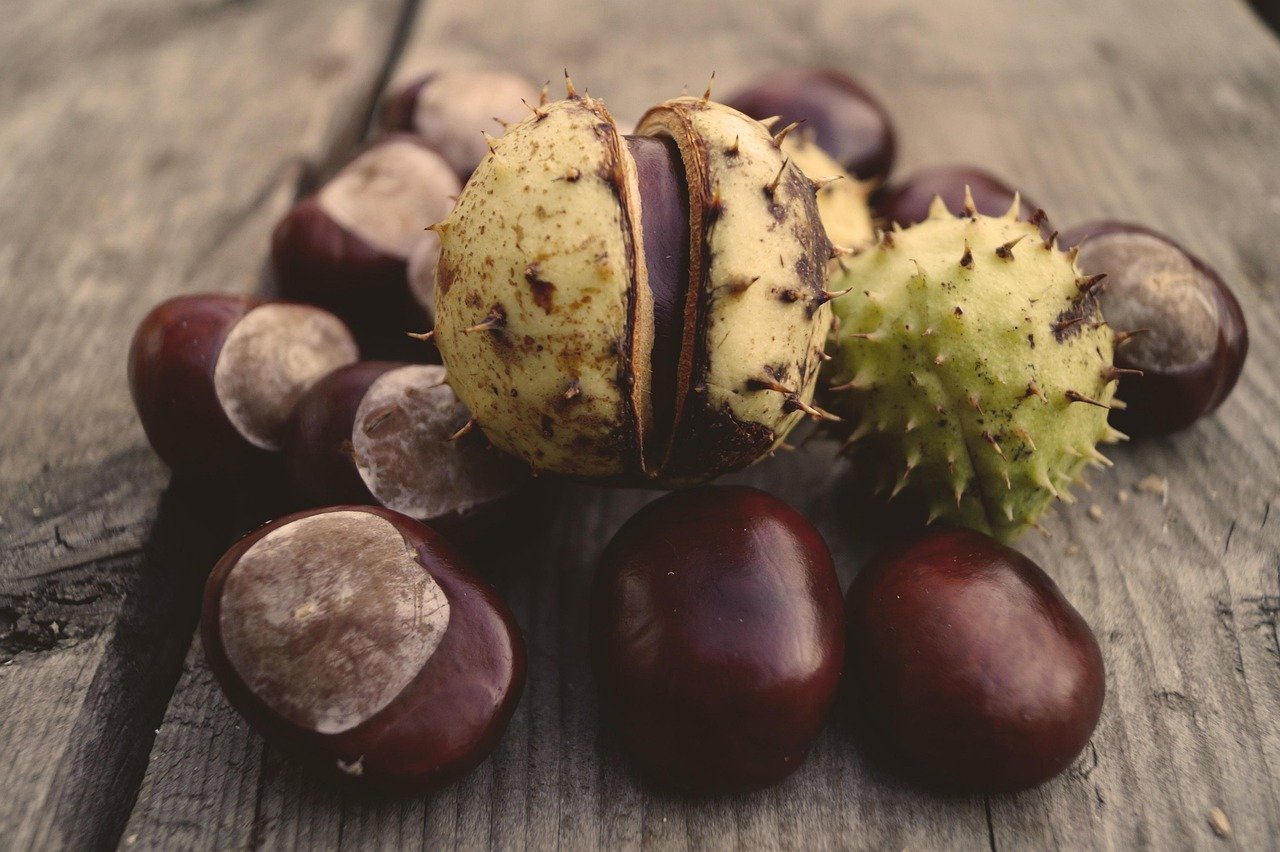
AESCULUS HIPPOCASTANUM (HORSE CHESTNUT)
Quick Facts & Botanical Profile
| Medicine Name: | Aesculus Hippocastanum |
| Common Name: | Horse Chestnut |
| Abbreviation: | Aesc. |
| Kingdom: | Plantae |
| Family: | Sapindaceae / Hippocastanaceae |
| Botanical Source: | Aesculus hippocastanum fresh ripe kernel/fruit |
| Sphere of Action: | Portal System, Rectum, Anus, Liver, Sacroiliac Joint, Pharynx (Boericke, Clarke) |
| Action Duration: | Medium to Deep Acting (Kent) |
| Complementary / Related: | Collinsonia, Aloe, Nux Vomica, Sulphur (Clarke, Hering) |
| Compare: | Collinsonia Canadensis, Aloe Socotrina, Hamamelis, Nux Vomica, Nitric Acid (Boericke, Hering) |
| Antidotes: | Nux Vomica, Camphora (Clarke) |
Core Keynotes & Hallmark Features
- Rectum Full of Little Sticks: Sensation as if the rectum were packed full of small sticks, splinters, or gravel with dryness, heat, and constriction (Boericke, Clarke).
- Severe Sacroiliac Backache: Constant dull, lame, aching backache across the sacroiliac symphyses, making walking, standing, or rising almost impossible (Boericke, Hering).
- Purple, Painful, Blind Hemorrhoids: Large, swollen, dark purple piles that rarely bleed, accompanied by intense burning and pricking (Clarke, Kent).
- Portal & Hepatic Venous Congestion: Sluggish liver with aching and fullness in right hypochondrium, general venous stasis, and heaviness in pelvic viscera (Boericke, Hering).
- Dark Congested Follicular Pharyngitis: Dry, raw, dark red throat with prominent varicose veins and burning without suppuration (Boericke, Kent).
Common Clinical Conditions
Mind Symptoms
Depressed, irritable, and gloomy mood upon waking in the morning (Boericke, Clarke). Unable to fix attention on business; feeling miserable and easily angered (Hering, Kent).
Generals & Particular Systems
Rectum, Anus & Stool
Dryness and heat in rectum as if full of small sticks or splinters (Boericke, Clarke). Hemorrhoids dark purple, painful, burning, blind, rarely bleeding (Boericke, Hering). Stool hard, dry, knotty, followed by prolonged burning and aching in rectum (Clarke, Kent).
Back & Sacroiliac Joint
Severe dull backache in sacroiliac joint, worse walking, stooping, or rising from seat (Boericke, Hering). Back gives out completely; sensation of heaviness and lameness in lumbar region (Clarke, Kent).
Liver & Abdomen
Aching, weight, and pinching distress in liver region with sluggish portal circulation (Boericke). Abdominal fullness and tenderness around right hypochondrium (Hering, Clarke).
Throat & Respiratory
Follicular pharyngitis; throat dry, hot, raw, dark red with congested veins (Boericke, Kent). Frequent hawking of thick, tenacious mucus with burning prickling in pharynx (Clarke).
Modalities (Aggravation & Amelioration)
Worse (Aggravation)
- Walking and standing (Boericke, Hering)
- Stooping and rising from a seat (Clarke)
- In the morning upon waking (Kent)
- After passing stool (rectal aching) (Boericke)
Better (Amelioration)
- Rest and lying down (Boericke)
- Moderate open air exercise (cool air) (Clarke)
- Summer warmth (Hering)
Remedy Relationships
Complementary / Related: Collinsonia Canadensis, Aloe Socotrina, Nux Vomica, Sulphur (Boericke, Clarke).
Compare Internally: Collinsonia Canadensis (chronic constipation with pelvic weight), Aloe Socotrina (grape-like piles, cold water relief), Hamamelis Virginiana (profuse dark venous bleeding), Nux Vomica.
Antidotes: Nux Vomica, Camphora (Clarke).
Compare Remedies Table
| Symptom / Feature | Aesculus Hippocastanum | Collinsonia Canadensis | Aloe Socotrina | Hamamelis Virginiana |
|---|---|---|---|---|
| Rectal Sensation | Full of small sticks/splinters, dry (Boericke) | Gravel sensation, severe constipation (Clarke) | Piles protrude like bunches of grapes (Kent) | Soreness, fullness with venous bleeding (Hering) |
| Backache Profile | Severe sacroiliac lameness, worse walking (Boericke) | Mild backache associated with pelvic weight (Kent) | Weakness in sacrum with bearing down (Clarke) | Torn feeling in lumbar region (Hering) |
| Bleeding Tendency | Rare bleeding; predominantly blind piles (Boericke) | Bleeding alternating with heart symptoms (Clarke) | Bleeds profusely, hot oozing discharge (Kent) | Profuse, passive, dark fluid venous blood (Boericke) |
| Throat Affinity | Dark congested throat with engorged veins (Kent) | Throat relaxed without varicose state (Hering) | Not characteristic in throat (Clarke) | Varicose veins of throat with bleeding (Boericke) |
Frequently Asked Questions
What is the key characteristic rectal sensation of Aesculus Hippocastanum?
A distinct sensation as if the rectum is full of small sticks, splinters, or gravel, with dry, hot, purplish hemorrhoids that rarely bleed (Boericke, Clarke).
What type of backache characterizes Aesculus Hippocastanum?
Severe aching and lame weakness in the lumbar and sacroiliac region, rendering walking, stooping, or rising from a seat extremely painful (Boericke, Hering).
What is the underlying pathology behind Aesculus complaints?
Venous stasis and engorgement of the portal system and lower bowel, with chronic hepatic congestion (Boericke, Kent).
How does Aesculus Hippocastanum affect the throat and pharynx?
Dry, hot, raw, dark congested pharynx and tonsils with prominent engorged veins and frequent desire to swallow (Boericke, Kent).
How are Aesculus hemorrhoids differentiated from Collinsonia and Aloe?
Aesculus has large, purplish, painful, blind piles with constant sacroiliac backache; Collinsonia has severe chronic obstinate constipation; Aloe has protruding piles like grapes relieved by cold water (Boericke, Clarke).
How does walking and movement affect Aesculus backache?
Backache and pelvic lameness are markedly aggravated by walking, stooping, and rising from a seated position (Clarke, Hering).
What modalities worsen Aesculus Hippocastanum complaints?
Aggravated by walking, motion, stooping, after stool, in the morning upon waking, and cold winter air (Boericke, Hering).
Which remedies are complementary or closely compared with Aesculus?
Collinsonia Canadensis, Aloe Socotrina, Nux Vomica, Hamamelis Virginiana, and Sulphur (Boericke, Clarke).
Authoritative References & Bibliography
- Boericke, W. — Pocket Manual of Homeopathic Materia Medica & Repertory.
- Clarke, J. H. — A Dictionary of Practical Materia Medica (Vol. 1).
- Hering, C. — The Guiding Symptoms of Our Materia Medica (Vol. 1).
- Kent, J. T. — Lectures on Homeopathic Materia Medica & Repertory.
Advanced Clinical Comparison Tool
Compare symptoms, cross-reference Materia Medica notes, and analyze repertorial rubrics side-by-side for precise case evaluation.
Access Clinical Tool →