
Protocols, potency sequencing, and dosing guidelines outlined in this advanced clinical repository are derived directly from Dr. Samuel Hahnemann's Organon of Medicine (Liquid Potency & Split Dose Method), combined with classic clinical keynotes from Dr. James Compton Burnett and Dr. William Boericke, verified through extensive practical clinical execution and advanced repertorial synthesis.
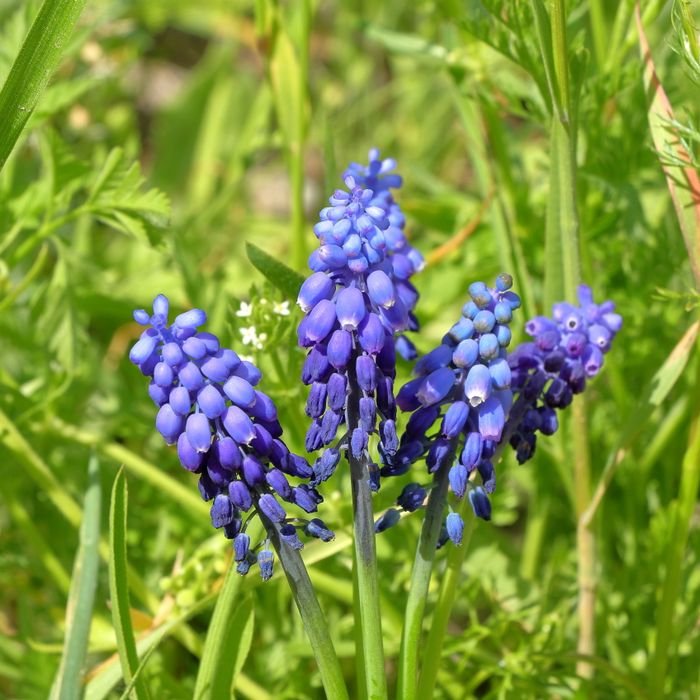
AGRAPHIS NUTANS (WILD HYACINTH)
Quick Facts & Botanical Profile
| Medicine Name: | Agraphis Nutans |
| Common Name: | Bluebell / Wild Hyacinth |
| Abbreviation: | Agra. |
| Kingdom: | Plantae |
| Family: | Liliaceae |
| Botanical Source: | Scilla nutans / Hyacinthus non-scriptus |
| Sphere of Action: | Adenoids, Nasopharyngeal Mucosa, Eustachian Tubes, Tonsils (Boericke, Clarke) |
| Action Duration: | Deep, Subacute to Chronic (Kent) |
| Complementary / Related: | Baryta Carb, Calcarea Phos, Hydrastis, Tuberculinum (Clarke, Hering) |
| Compare: | Baryta Carbonica, Calcarea Iodata, Lemna Minor, Hydrastis (Boericke, Hering) |
| Antidotes: | Nux Vomica, Pulsatilla (Clarke) |
Core Keynotes & Hallmark Features
- Adenoid Vegetations & Enlarged Tonsils: Prominent remedy for soft, hypertrophied adenoid growths and chronic tonsillar enlargement in children (Boericke, Clarke).
- Catarrhal Deafness: Impaired hearing and blocked ears resulting directly from chronic nasopharyngeal catarrh and Eustachian tube obstruction (Boericke, Clarke).
- Chronic Mouth Breathing: Inability to breathe through the nose, leading to nocturnal snoring, open mouth, and nasal speech (Clarke, Kent).
- Prone to Catching Cold from Damp Winds: High susceptibility to acute colds and sore throats on the slightest exposure to cold, damp winds (Boericke, Hering).
- Catarrh with Concurrent Diarrhea: Chilling or taking cold triggers both upper respiratory catarrhal flow and watery loose stools (Boericke, Clarke).
Common Clinical Conditions
Mind Symptoms
Dull, inattentive, and sluggish mental response due to hearing impairment and chronic nasal obstruction (Clarke, Kent). Irritable and fretful during acute colds and throat blockage (Hering).
Generals & Particular Systems
Nose & Respiratory Tract
Chronic nasal obstruction with profuse mucous discharge (Boericke, Clarke). Hypertrophy of adenoids with loud snoring at night and obligate mouth breathing (Clarke, Kent). Extreme liability to take cold from cold, damp winds (Boericke).
Ears & Hearing
Deafness caused by catarrh of the Eustachian tubes and adenoids (Boericke, Clarke). Sensation of fullness, blockage, and roaring in ears with impaired hearing (Hering).
Throat & Tonsils
Enlarged, congested tonsils almost meeting in the midline (Boericke, Clarke). Throat feels obstructed with thick, tenacious mucus; throat glands swollen and tender (Hering, Kent).
Abdomen & Stool
Diarrhea from taking cold or exposure to cold, damp winds (Boericke, Clarke). Watery, mucous stools accompanied by catarrhal nasal symptoms (Hering).
Modalities (Aggravation & Amelioration)
Worse (Aggravation)
- Exposure to cold, damp winds (Boericke)
- Weather changes (dry to wet/cold) (Clarke)
- Night time (nasal blockage & snoring) (Kent)
- Chilling of the body (Hering)
Better (Amelioration)
- Dry, warm atmosphere (Boericke)
- Free expectoration and clearing of mucus (Clarke)
- Rest and warmth (Hering)
Remedy Relationships
Complementary / Related: Baryta Carbonica, Calcarea Phosphorica, Hydrastis, Tuberculinum (Boericke, Clarke).
Compare Internally: Baryta Carbonica (hard, chronic tonsillar enlargement), Calcarea Iodata (nodular glandular swellings), Hydrastis (thick, ropy post-nasal mucus), Lemna Minor (nasal polypi & turbinate swelling).
Antidotes: Nux Vomica, Pulsatilla (Clarke).
Compare Remedies Table
| Symptom / Feature | Agraphis Nutans | Baryta Carbonica | Calcarea Phosphorica | Hydrastis Canadensis |
|---|---|---|---|---|
| Primary Pathological Target | Adenoids, soft tonsils & Eustachian catarrh (Boericke) | Indurated chronic tonsils & quinsy (Clarke) | Chronic adenoids with flabby constitution (Kent) | Mucous membranes with thick ropy discharge (Hering) |
| Ear / Hearing Symptoms | Catarrhal deafness from adenoid blockage (Clarke) | Deafness with crackling noises on swallowing (Kent) | Deafness associated with ear polyps (Hering) | Roaring and catarrhal obstruction (Boericke) |
| Cold Sensitivity | Readily takes cold from cold damp wind (Boericke) | Takes cold on slightest damp cold touch (Kent) | Worse from melting snow and dampness (Clarke) | Worse from cold winds and dry weather (Hering) |
| Concurrent Bowel State | Catarrhal diarrhea with cold/chill (Boericke) | Habitual constipation with hard stool (Kent) | Offensive spluttering morning diarrhea (Clarke) | Obstinate constipation with sinking stomach (Hering) |
Frequently Asked Questions
What is the key clinical indication for Agraphis Nutans?
Agraphis Nutans is a premier remedy for enlarged adenoids, chronically swollen tonsils, and catarrhal deafness resulting from nasopharyngeal obstruction (Boericke, Clarke).
How does Agraphis Nutans relieve catarrhal deafness in children?
It resolves chronic inflammation, reduces hypertrophy of adenoid tissues, and clears Eustachian tube catarrhal blockage (Boericke, Clarke).
What respiratory and throat symptoms are characteristic of Agraphis Nutans?
Frequent colds from slight cold damp winds, constant mouth breathing, night-time snoring, and accumulation of tenacious mucus in the post-nasal space (Clarke, Kent).
Does Agraphis Nutans prevent adenoid and tonsil surgeries in children?
Dr. Clarke and classical homeopathic literature consider it one of the top remedies to avoid adenoidectomy and tonsillectomy in chronic pediatric cases (Clarke).
What diarrhea or bowel symptoms are seen in Agraphis Nutans?
Diarrhea or loose stools occurring concurrently with acute catarrhal colds following exposure to cold, damp winds (Boericke, Clarke).
How is Agraphis Nutans differentiated from Baryta Carb and Calcarea Iodata?
Baryta Carb suits scrofulous, dwarfish children prone to suppurative quinsy; Calcarea Iodata features hard, nodular lymphatic and thyroid enlargement; Agraphis Nutans specifically targets soft adenoid vegetative growths with marked catarrhal deafness (Boericke, Kent).
What modalities worsen Agraphis Nutans complaints?
Aggravated by exposure to cold, damp air or winds, and sudden changes of weather (Boericke, Hering).
Which remedies are closely related or complementary to Agraphis Nutans?
Baryta Carbonica, Calcarea Phosphorica, Hydrastis, Lemna Minor, and Tuberculinum (Boericke, Clarke).
Authoritative References & Bibliography
- Boericke, W. — Pocket Manual of Homeopathic Materia Medica & Repertory.
- Clarke, J. H. — A Dictionary of Practical Materia Medica (Vol. 1).
- Hering, C. — The Guiding Symptoms of Our Materia Medica (Vol. 1).
- Kent, J. T. — Lectures on Homeopathic Materia Medica & Repertory.
Advanced Clinical Comparison Tool
Compare symptoms, cross-reference Materia Medica notes, and analyze repertorial rubrics side-by-side for precise case evaluation.
Access Clinical Tool →